Car Accident? Here’s Exactly What to Do Next (Before Panic Sets In)
Surviving the Crash: 11 Things We Must Do Right After a Car Accident.
When the Dust Settles, What Now?
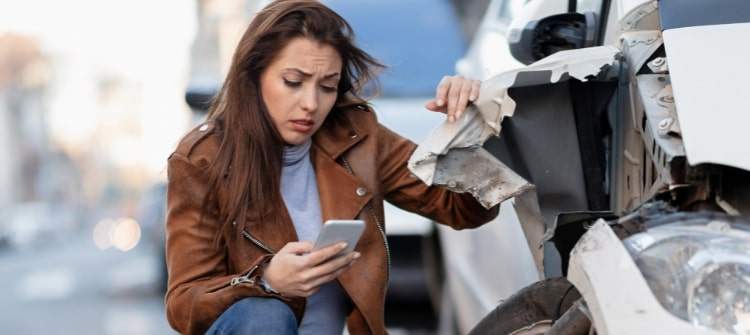
The screech, the jolt, the stunned silence—car accidents don’t come with a script. One second, we’re sipping coffee in traffic; the next, we’re staring at a crumpled fender and wondering what happened. It’s overwhelming, messy, and often surreal.
Key Takeaways
- Stay Calm and Safe: Move to a safe spot, check for injuries, and turn on hazard lights.
- Document Everything: Take photos, exchange info, and call the police—no matter how minor.
- Follow Up Quickly: Notify insurance, see a doctor, and keep detailed records for protection.
That’s why having a clear post-accident playbook matters. Knowing what to do in those first few minutes helps us stay safe and protects our health, finances, and peace of mind.
This guide walks you through the calm after the chaos with practical steps and a dash of perspective. In moments like these, clarity isn’t just comforting—it’s powerful.
Car Buying Tip: Are you in need of a new car? Request free new car quotes to compare deals from local dealers.
Table of Contents
- Your roadside accident checklist
- 1. Stay calm and check for injuries
- 2. Get to a safe location
- 3. Call 911 – Even if it feels minor
- 4. Turn off the engine and use the hazard lights
- 5. Don’t play the blame game
- 6. Exchange information politely
- 7. Document everything
- 8. Avoid posting on social media
- 9. Get medical attention – Even if you feel fine
- 10. Call your insurance company
- 11. Keep a file (Yes, a real one)
- Frequently asked questions
- Final thoughts
Your Car Accident Reality Checklist
In the haze of adrenaline and bumper shards, it’s hard to think straight. That’s where this checklist comes in—quick, clear, and ready when you need it most. Keep it handy, and you’ll never have to guess what comes next when the unexpected hits.

1. Stay Calm and Check for Injuries
Let’s be honest—“stay calm” is the advice equivalent of “just relax” right before a root canal. But really, we need to breathe. We can already call that a win if we’re conscious and not pinned under a dashboard. Let’s check ourselves: fingers, toes, neck. Can we move? Can we speak? Now, check anyone else in the car. Speak softly. Avoid sudden movements.
And if someone’s injured, resist the urge to play hero. We should only move them if there’s an immediate danger—like a fire or traffic still zooming by.
2. Get to a Safe Location
Here’s where we channel our inner traffic cop. If the car is drivable and we’re not at risk of worsening things, let’s gently steer to the side of the road or a nearby shoulder. Hazard lights go on—stat. Think of them as your flashing “I need a moment” sign.
If we can’t move the car, it’s safer to stay inside, seatbelt on, unless we’re in danger. Outside, the world can be chaotic. Better to be a sitting duck than a wandering one, right?
3. Call 911—Even If It Feels Minor
You might think, “This doesn’t look too bad. Maybe we can exchange insurance cards and carry on.” No. Call the police—always, even if it’s just for documentation.
Explain what happened, provide your location (landmarks help), and be ready to answer questions. A formal report can save us headaches down the line. And if anyone’s hurt, the dispatcher will send emergency services.
- How to Buy a New Car Below Factory Invoice Price – True dealer cost and the factory invoice price are not the same… dealer cost can be much lower.
- Figure a Fair Profit New Car Offer – How to calculate a fair profit new car offer.
- How to Buy a New Car Online – Not sure where to start? Use my step-by-step guide on how to buy a new car online.
4. Turn Off the Engine and Use Your Hazard Lights
We don’t need that engine humming while nerves are dancing the cha-cha. Turn it off. Hazard lights? Keep them blinking. It’s our way of whispering, “Excuse us, something’s happened here.”
5. Don’t Play the Blame Game
Here’s where things get sticky. Even if we feel like apologizing—or blaming—don’t. It’s not about being cold; it’s about being smart. Emotions run wild post-accident, and saying “I’m sorry” can sound like an admission of fault. Let’s save that for therapy sessions.
Just stick to the facts. Let the insurance folks and the cops handle the drama.
6. Exchange Information Politely
We need names. Numbers. License plates. Insurance info. If they hand you a card, snap a photo of it. If they give you their name and phone number, double-check it—maybe even call it to verify. This is not the time for trust falls.
Here’s what to gather:
- Full name and contact details
- Insurance company and policy number
- Driver’s license and license plate number
- Vehicle make, model, and color
- Location of the accident
Real-Time Bargain Hunting: Turn to Edmunds for instant access to the latest and greatest local deals, saving you time, money, and stress.
7. Document Everything Like We’re Making a Scrapbook
Photos are our new best friends. Take them from every angle: the street, the damage, the license plates, the skid marks, and the traffic signs. If there’s a witness, get their version and contact info.
If you’re able, jot down the time, weather, road condition, and any quirks that might be helpful. Was the sun in someone’s eyes? Was it a dog chasing a squirrel? Anything odd might be crucial later.
9. Get Medical Attention—Even If You Feel Fine
Here’s the thing about shock—it’s a sneaky little devil. We might feel “fine” now and wake up tomorrow feeling like we got body-slammed by a linebacker. Some injuries—like whiplash or internal trauma—don’t shout at us right away.
So, let’s get checked out. Go to the ER, urgent care, or your regular doctor. Just don’t assume you’re invincible.

10. Call Your Insurance Company Immediately After a Car Accident
This one’s a mixed bag. Nobody likes dealing with insurance. It’s all hold music, polite “ma’ams,” and questions we weren’t ready to answer. Still, we need to notify them. Be honest. Provide the facts. Let them guide you through what’s next.
And remember—record the call or follow up in writing if your state allows. That way, nothing gets lost in translation.
11. Keep a File (Yes, a Real One)
Get a folder, physical or digital, and dump everything in it: police reports, medical bills, insurance emails, photos, and even your own notes. Someday, weeks or months from now, we might need it.
And in the future, you will thank the current you for being so organized.

Frequently Asked Questions
What should I NOT do after a car accident?
Don’t flee the scene. Don’t admit fault. Don’t argue. And for the love of all things caffeinated, don’t post it on Instagram.
Should I call the police for a minor accident?
Yes. Even minor fender benders need official records. You’ll thank yourself later.
What if the other driver refuses to give information?
Stay calm. Don’t push. Please wait for the police to arrive and handle it. Document as much as you can—quietly.
Do I need a lawyer after an accident?
Maybe. If injuries are involved, or if things get messy with insurance, it’s a good idea. A consultation is often free.
Can I move my car after a crash?
Only if it’s safe and legal. If it’s a busy road, it’s better to leave it and wait for help.
How long do I have to report an accident?
It varies by state and insurance policy. But sooner is always better than later.
Conclusion: Car Accident, You Got This
Crashes shake us up—that’s natural. But with some calm and clarity, we can handle the moments that follow. Whether it’s our first accident or our fifth, we never really get used to the chaos—but we do get better at navigating it.
So, let’s take a slow breath and care for each other.
About the author
 My name is Carlton Wolf, and I’ve been in the car business since 1994, both retail and wholesale. I created the Auto Cheat Sheet to better educate buyers about the deceptive sales practices many dealerships use nationwide. Please understand that not all car dealers are dishonest. However, you never know who you’ll be dealing with. I’m willing to share my knowledge and experience with anyone who listens. Keep in mind that I’m a car guy, not a writer.