10 Money-Wasting Gas Pump Habits to Avoid
Stop overpaying at the pump—ditch these 10 costly gas habits and save!
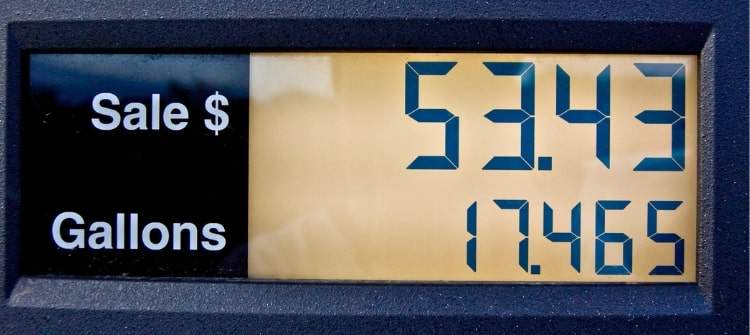
Avoid These Gas Pump Habits & Cut Costs
Every time you fill your gas tank, you might unknowingly lose money due to bad fueling habits. With gas prices fluctuating and inflation squeezing budgets, every cent at the pump matters.
But did you know that certain refueling habits could drain your wallet faster than you think?
Key Takeaways
- Fuel Smart: Avoid topping off, idling, and using the wrong octane.
- Time It Right: Fill up early in the week and during cooler hours.
- Stay Efficient: Keep tires inflated and reduce excess weight.
Small mistakes, such as topping off your tank or fueling up at the wrong time of day, can add up to significant expenses over time. If you want to stretch your fuel dollars further, avoiding these 10 gas pump bad habits can make a big difference.
Let’s break down the most common fuel-wasting habits and how to correct them so you can save money every time you hit the gas station.
Table of Contents
- Stop wasting money at the pump
- 1. Topping off your tank
- 2. Using the wrong octane
- 3. Filling up when gas prices are high
- 4. Letting your gas tank run too low
- 5. Idling when refueling
- 6. Ignoring tire pressure
- 7. Overloading your car
- 8. Not using gas station reward programs
- 9. Using the air conditioner excessively
- 10. Filling up when the tanker is delivering fuel
- Bonus: Don’t run out of gas in your car
- Frequently asked questions
- Final thoughts
Stop Wasting Money at the Pump
Gas prices fluctuate, but your refueling habits could cost you more than necessary. Small mistakes at the pump add up over time, draining your wallet without you even realizing it. You can maximize fuel efficiency and cut unnecessary costs by making simple adjustments.
Here are 10 bad gas pump habits that could waste your hard-earned money.

1. Topping Off Your Tank
You may think squeezing in that extra gas after the pump clicks off is smart, but it’s wasting your money. Gas pumps are designed to stop fueling when your tank is full. Adding more fuel doesn’t mean you’ll go farther—it just increases the risk of overflow and evaporation.
Many modern fuel systems also have vapor recovery mechanisms that send excess fuel back into the gas station’s storage tanks. This means the extra gas you paid for never reaches your car!
Better Alternative: Stop fueling when the pump clicks off. Your car’s tank is already at its optimal level.
2. Using the Wrong Octane Level
Premium gas might sound like a better choice for your car, but it’s an unnecessary expense for most vehicles. If your car doesn’t specifically require premium fuel, using it won’t improve performance or efficiency—it just costs more per gallon.
Many drivers believe that premium fuel cleans the engine better or increases mileage, but that’s a myth unless your manufacturer specifies it.
Better Alternative: Stick to the fuel grade recommended in your owner’s manual.
3. Filling Up When Gas Prices Are High
Timing is everything when it comes to saving on gas. Prices tend to be highest during peak travel times and weekends, with increases often occurring on Thursdays and Fridays in anticipation of weekend driving.
Better Alternative: Fill up early in the week (Monday or Tuesday) and avoid fueling during busy travel hours when demand spikes.
- How to Buy a New Car Below Factory Invoice Price – True dealer cost and the factory invoice price are not the same… dealer cost can be much lower.
- Figure a Fair Profit New Car Offer – How to calculate a fair profit new car offer.
- How to Buy a New Car Online – Not sure where to start? Use my step-by-step guide on how to buy a new car online.
4. Letting Your Tank Run Too Low
Running on fumes might seem like a way to squeeze every last drop out of your tank, but it can be costly in the long run. When your fuel level is low, your fuel pump has to work harder to draw gas, which can lead to overheating and potential damage over time.
Additionally, dirt and debris that settle at the bottom of your tank can get sucked into the fuel system, potentially clogging your fuel filter or injectors.
Better Alternative: Refill your tank when it reaches the quarter-tank mark to avoid costly repairs.
5. Idling While Refueling
While leaving your engine running while fueling might seem harmless, it can cost you more money in wasted gas. Idling burns fuel without taking you anywhere, reducing overall efficiency.
Additionally, idling while refueling increases safety risks. Gas vapors are flammable, and although rare, there’s a risk of combustion.
Better Alternative: Always turn off your engine before refueling to save gas and enhance safety.
6. Ignoring Tire Pressure Before a Long Drive
Tire pressure directly affects your car’s fuel efficiency. Underinflated tires increase rolling resistance, forcing your engine to work harder and burn more gas.
Even a slight drop in tire pressure can decrease mileage significantly, especially over long distances.
Better Alternative: Check your tire pressure at least once a month and before long trips. Inflate tires to the recommended PSI in your owner’s manual or the driver’s side door frame.
Real-Time Bargain Hunting: Turn to Edmunds for instant access to the latest and greatest local deals, saving you time, money, and stress.
7. Overloading Your Car
Carrying excess weight can negatively impact fuel efficiency. The heavier your car, the more energy it needs to move, leading to higher fuel consumption.
If your trunk or backseat is filled with unnecessary items, you pay more for every mile you drive.
Better Alternative: Remove unnecessary weight from your vehicle and avoid carrying heavy loads unless necessary.
8. Not Using Gas Station Reward Programs
Many gas stations offer rewards programs or credit card perks that can save you money on every gallon. Skipping these discounts is like leaving free money on the table.
Some grocery stores even partner with gas stations, allowing you to earn fuel discounts through regular shopping.
Better Alternative: Sign up for gas station loyalty programs or use a rewards credit card that offers cashback on fuel purchases.
9. Using the Air Conditioner Excessively
While air conditioning is essential for comfort, blasting it at full power can significantly reduce fuel efficiency. The AC system draws power from the engine, causing it to consume more gas, especially at lower speeds.
Better Alternative: Use AC sparingly and roll down your windows when driving at low speeds. When on the highway, keep windows closed to reduce drag.

10. Fueling Up When a Tanker Is Delivering Fuel
You may want to reconsider if you pull into a gas station while a fuel tanker is refilling underground storage tanks. When fuel is replenished, tank sediment and debris can get stirred up, making it’s way to your vehicle and potentially damaging your engine.
Contaminated fuel can lead to clogged fuel filters and reduced engine performance.
Better Alternative: If you see a fuel truck at the station, wait a few hours or find another location to refuel.
Bonus Tip: Don’t Run Out of Gas in Your Car
Letting your tank run empty isn’t just inconvenient—it can damage your vehicle. Running out of gas in your car forces your fuel pump to work harder, potentially leading to overheating and costly repairs. Plus, any debris or sediment at the bottom of your tank could get sucked into the fuel system, clogging filters and injectors.
Better Alternative: Always keep at least a quarter tank of gas to avoid breakdowns and expensive repairs.
FAQs
What is the best time of day to buy gas?
Early morning or late evening when temperatures are cooler. Cooler fuel is denser, meaning you get slightly more for your money.
Does driving with a full tank improve fuel efficiency?
A full tank doesn’t directly improve efficiency, but it does prevent the fuel pump from working too hard and keeps sediment from entering the fuel system.
Can using cruise control save gas?
Yes! Cruise control helps maintain a constant speed, reducing unnecessary acceleration and improving highway fuel economy.
Should I use fuel additives to improve mileage?
Most modern cars don’t require fuel additives. Stick to high-quality fuel from reputable stations for optimal performance.
Is it better to fill up halfway or completely?
Filling up completely reduces the number of trips to the gas station, ultimately saving time and potential impulse purchases that add to your expenses.
Does driving slower really save gas?
Yes. Aggressive acceleration and speeding increase fuel consumption. Maintaining a steady speed conserves fuel.
Conclusion: Avoiding Bad Habits at the Pump
Fuel prices may be out of your control, but your gas pump habits don’t have to be! By avoiding these 10 money-wasting mistakes, you can stretch your fuel budget, improve your car’s longevity, and make smarter choices at the pump.
Small changes, such as refueling at the right time, maintaining proper tire pressure, or avoiding unnecessary idling, can lead to big savings.
Start implementing these money-saving habits today and watch your gas expenses drop!
About the author
 My name is Carlton Wolf, and I’ve been in the car business since 1994, both retail and wholesale. I created the Auto Cheat Sheet to better educate buyers about the deceptive sales practices many dealerships use nationwide. Please understand that not all car dealers are dishonest. However, you never know who you’ll be dealing with, though. I’m willing to share my knowledge and experience with anyone who listens. Keep in mind that I’m a car guy, not a writer.