Buying a Car in 2026 Be Like: Would You Like to Subscribe or Own?
Buying a car in 2026 feels less like ownership and more like choosing a streaming plan—features sold separately, subscription required.
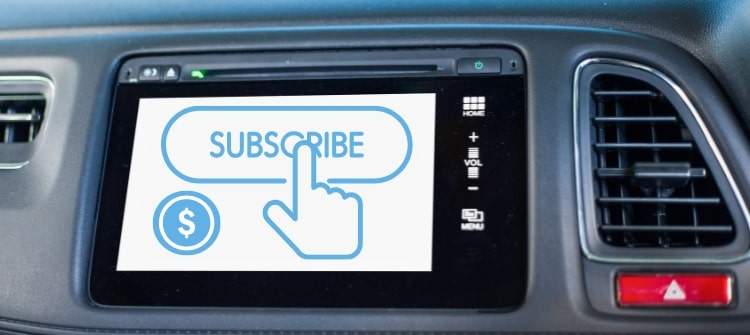
Remember when buying a car meant signing some papers and driving off into the sunset? Fast forward to 2026, and now the dealer asks, “Would you like to subscribe to this vehicle, or do you want to own it?”
At this point, we’re half expecting a pop-up asking if we want to upgrade to the “Ad-Free Driving Plan.”
Car ownership is changing fast—subscription models, OTA updates, digital key access, microtransactions for heated seats—and it’s getting weird. In this post, we’ll walk through what’s real, what’s ridiculous, and how to avoid signing up for a car that charges you monthly for power windows or heated seats.
What’s a Car Subscription in 2026?
A car subscription is basically Netflix, but for cars. Instead of buying or leasing, you pay a monthly fee that typically includes:
- Vehicle access
- Insurance
- Maintenance
- Roadside assistance
The creeping sense that you’re renting your life one subscription at a time
You don’t own the car, and you don’t build equity—but you can often switch cars every few months, which sounds cool until you realize you’re paying luxury-car money for compact-SUV utility.
Common Subscription Providers in 2026:
- Automakers like Toyota, BMW, and Volvo now offer subscription tiers
- Third-party apps, such as Care by Volvo and Finn Auto, are expanding across the U.S.
- Some services provide vehicle swaps, but mileage caps and upcharges apply
Ownership in 2026 Still Exists (Kind Of)
If you still believe in titles, pink slips, and driving the same car for more than 24 months without incurring a cancellation fee, congratulations —you’re a car owner. Sort of.
Here’s what traditional ownership looks like now:
- You buy or finance the car
- You pay sales tax, interest, registration, and insurance
- And surprise! Some features may still be locked behind a subscription.
Yes, that’s right. In 2026, owning your car doesn’t always mean owning its features. BMW tried charging for heated seats, and Tesla sells driver assist upgrades separately, even after you’ve bought the vehicle.
Wait—You Can Subscribe AND Still Have a Car Loan?
Yes. That’s what we call the 2026 Car Ownership Double Whammy™.
Some manufacturers now include “optional” subscription-based features like:
- Remote start
- Advanced navigation
- Speed boost (I know, that’s ludicrous)
- Driver assistance modes
These features are embedded in the software and are activated only if you pay a monthly fee. You can own the car, but the features? Those are on lease.
The Financial Breakdown: Subscription vs. Ownership
| Feature | Subscription | Ownership |
|---|---|---|
| Monthly Cost | $700–$1,200 (includes services) | $450–$850 (plus extras) |
| Insurance Included? | Usually | No |
| Maintenance Covered? | Yes | Not unless you buy coverage |
| Can Build Equity? | No | Yes |
| Locked Features? | Common | Increasingly common |
| Feels Like a Car Rental? | 100% | Depends on how many subscriptions you add |
How to Avoid Subscription Shock at the Dealership
So you’re at the dealership. The salesperson drops the subscription question and hands you a touchscreen instead of paperwork. Here’s how to stay grounded:
1. Ask for the Out-the-Door Price
Always ask for the full out-the-door (OTD) price, including all taxes, fees, and extras. Don’t get sidetracked by slick “only $649/mo” pitches.
2. Know What Features Are Permanent
Before you agree to buy or finance a vehicle, ask:
“What features will I lose access to if I don’t subscribe later?”
3. Compare Total Costs Over 3–5 Years
Subscriptions may seem simple, but they can cost significantly more than a purchase or lease over time. Crunch the numbers.
4. Watch Out for Digital Paywalls
Check the fine print. If heated seats require a subscription renewal every winter, you’ll be cold and out of money.
FAQs
What is a car subscription, and how does it work?
You pay a flat monthly fee that covers a vehicle, insurance, and maintenance. But you don’t own the car or build equity.
Is it cheaper to subscribe or buy?
Buying is often cheaper long-term, but subscriptions offer convenience. Run the numbers over a 3–5 year period before making a decision.
Can car features be subscription-only?
Yes. Some manufacturers now lock features like heated seats, remote start, or self-driving behind a monthly paywall.
Do I still need to negotiate if I’m subscribing?
Yes. Even subscription services have tiers, fees, and “introductory pricing.” Always compare and ask for discounts.
Can I combine ownership with subscriptions?
Unfortunately, yes. Even if you own the car, you may still need to pay monthly for certain in-car features.
How do I know what’s included in the OTD price?
Ask for an itemized quote in writing and verify what’s bundled vs. what’s optional.
Conclusion: Car Subscriptions vs. Vehicle Ownership
In 2026, buying a car feels more like choosing a streaming bundle than making a long-term investment. You can own the vehicle but still be nickel-and-dimed for the features inside it. Alternatively, you can subscribe to avoid long-term commitments—remember, you’re paying hundreds of dollars a month for convenience.
Your best move is to stay informed, compare all pricing options side by side, and ask the right questions before committing. Whether you own it or subscribe to it, you should never pay extra to unlock your windshield wipers.