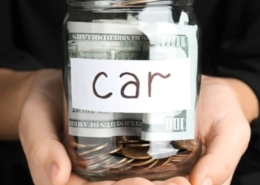
Buying a Car With No Money Down: Smart or Risky?
No cash upfront, but what’s the catch?

When you’re tight on cash but need a car fast, rolling off the lot without putting a single dollar down feels like a dream come true. But is it? The question — can I buy a car with no money down? — isn’t as straightforward as it seems.
Yes, it’s possible. However, those zero-down deals often come with strings attached: higher interest rates, stricter credit requirements, and longer loan terms that could ultimately cost you more.
Key Takeaways
- Check Loan Terms Carefully: Hidden fees and high interest can turn a good deal into a financial burden.
- Know Your Credit Score: Credit significantly affects approval chances and loan costs.
- Think Long-Term Costs: Zero down today could mean paying much more over time.
Sometimes, “no money down” doesn’t truly mean zero. You might still owe taxes, fees, or insurance upfront. While skipping the down payment can be a lifesaver in a pinch, it can also become a financial trap if you’re not careful.
Whenever possible, we highly recommend having a sizable cash down payment when buying a car. This upfront investment can significantly improve your loan terms and long—term financial stability, as it lowers your loan amount, reduces interest, and gives you immediate equity in your vehicle.
This guide will help you analyze the facts, spot the hidden pitfalls, and decide if this option is a smart move or just a tempting illusion.
Car Buying Tip: Shopping for a new ride? Many car buyers are paying over sticker price—beat the markup by requesting free dealer quotes and comparing prices from local dealerships.
Table of Contents
- What does “No Down Payment” really mean?
- Zero down vs. low down payment
- Why dealers offer no down payment options
- The role of your credit score
- Zero-down car loan fine print
- Are you really saving money?
- Pros of buying a car with no down payment
- Cons of buying a car with no down payment
- How to qualify for zero down
- What if you have bad credit?
- Should I get preapproved?
- Can I lease a car with no money down?
- New cars vs. used cars
- The role of co-signers
- Can I use a trade-in to replace cash down?
- No cash down and loan terms
- Watch for hidden costs
- Alternative options
- Credit unions vs. dealership financing
- Online auto lenders and zero down payments
- Myths about no money down auto loans
- Can military personnel access no-money-down loans?
- Down payment tips for first-time buyers
- How much car can you afford with zero down?
- What happens if you default?
- Is it smarter to wait and save?
- Frequently asked questions
- Final thoughts
What Does “No Money Down” Really Mean?
At its core, “no money down” means you don’t pay anything upfront when purchasing the car. However, this doesn’t mean no cost at all. It just defers your financial commitment. Here’s what it usually excludes:
- Taxes & Registration Fees
- Dealer Add-Ons
- First Month’s Insurance Premium
Additionally, many dealerships wrap these costs into your loan, increasing your monthly payments and total interest.

Zero Down vs Low Down Payment
Here’s a side-by-side comparison to help you decide what’s smarter:
| Criteria | Zero Down Payment | Low Down Payment |
|---|---|---|
| Upfront Cost | $0 | $500–$3,000 |
| Monthly Payments | Higher | Lower |
| Total Loan Cost | More interest | Less interest |
| Loan Approval | Harder | Easier |
| Equity Position | Negative longer | Gains equity faster |
Why Do Some Dealers Offer No Down Payment?
Dealers advertise no down payment offers to:
- Move inventory faster
- Attract budget-conscious buyers
- Cater to those with limited savings
- Partner with lenders for subprime loans
These offers are often tied to manufacturer incentives or end-of-month quotas.
The Role of Your Credit Score
Here’s the truth: your credit score makes or breaks the deal.
| Credit Score Range | Likely Outcome |
|---|---|
| 750+ | Approved with decent terms |
| 650–749 | Possible, higher rates |
| 550–649 | Subprime, limited lenders |
| Below 550 | Requires co-signer or special lender |
Good credit signals trust. Bad credit means lenders take more risk — and charge more for it.
- How to Buy a New Car Below Factory Invoice Price – True dealer cost and the factory invoice price are not the same… dealer cost can be much lower.
- Figure a Fair Profit New Car Offer – How to calculate a fair profit new car offer.
- How to Buy a New Car Online – Not sure where to start? Use my step-by-step guide on how to buy a new car online.
The Fine Print of Zero-Down Car Loans
Before you get wowed by the “zero down” banner, ask yourself:
- What’s the APR?
- Are there hidden dealer fees?
- What’s the total repayment cost?
Always read the loan agreement thoroughly. Ask questions. Walk away if it feels fishy.
Are You Saving Money?
Ironically, no money down can end up costing more:
- Higher interest = more total paid over time
- Longer loans = greater depreciation impact
- Immediate driving = delayed financial relief
A $20,000 loan at 6% for 72 months can cost you thousands more than a shorter, partial-down-payment alternative.
Pros of Buying a Car With No Money Down
- Immediate access to a vehicle
- No need to drain savings
- Great during emergencies
- Possible promotional rates with good credit
Cons of Buying a Car With No Money Down
- Higher monthly payments
- Increased total loan cost
- Greater risk of negative equity
- Limited vehicle options
Real-Time Bargain Hunting: Turn to Edmunds for instant access to the latest and greatest local deals, saving you time, money, and stress.
How to Qualify for No-Money-Down Financing
You’ll need to meet key lender requirements to qualify for a car loan with no money down. Here’s how to boost your chances:
- Maintain a solid credit score
While some lenders accept lower scores, a 650+ rating gives you better odds and interest rates. - Show steady income
Provide recent pay stubs, tax returns, or bank statements. Lenders want proof you can handle monthly payments. - Limit existing debt
Lower your credit utilization ratio and avoid applying for other loans before car shopping. - Get pre-approved
It shows dealerships you’re serious and qualified, often unlocking better deals. - Work with the right lender.
Consider credit unions, online lenders like myAutoloan, or dealer financing programs that offer flexible zero-down options.
Can You Get Approved With Bad Credit?
Yes, it’s possible to get a no-money-down car loan even with bad credit, but there are trade-offs:
- Expect higher interest rates
Subprime lenders work with lower credit scores but charge more to offset risk. - Lender options include:
- Buy-here-pay-here dealerships
- Subprime auto lenders
- Some credit unions with special programs
- Increase your approval odds by:
- Adding a co-signer with strong credit
- Showing consistent income and payment history
- Making a partial down payment or offering a trade-in
Keep in mind that a high-interest loan may cost thousands more over time. Consider whether waiting to improve your credit is a better long-term move. If you need a vehicle and have a shakey credit history, apply for a bad credit auto loan online to see where you stand and what you need to be approved for a vehicle.
Does Pre-Approval Help With No Money Down Offers?
Absolutely. Pre-approval gives you negotiating power and a clearer financial picture before you enter a dealership.
Benefits of pre-approval include:
- Know your loan terms ahead of time
This prevents surprises and protects you from dealer markups. - Set a clear budget
Helps you shop for cars within your price range—including those that qualify for zero down. - Improve dealership leverage
Dealers are more likely to work with buyers who have financing in hand.
Pro tip: Get pre-approved by multiple lenders (banks, credit unions, online lenders) to compare offers and choose the most competitive one.

Can You Lease a Car With No Money Down?
Yes, leasing with no money down is possible and sometimes easier than financing—especially on new cars with promotions.
Advantages of zero down leasing:
- Lower monthly payments compared to financing
- Frequent manufacturer specials available
- Shorter commitment periods (typically 2–3 years)
But watch out for hidden costs:
- You may still pay:
- First month’s payment
- Security deposit
- Taxes and registration
- Acquisition fees
Bottom line: Leasing can be ideal if you like driving new cars and don’t mind mileage limits. Just make sure “zero down” truly means zero at signing.
New Cars vs Used Cars With No Down Payment
New and used cars offer benefits and drawbacks when buying without a down payment.
New Car Pros:
- Lower interest rates
- Full warranty coverage
- Qualify for manufacturer promotions
New Car Cons:
- Quick depreciation
- Higher insurance costs
- Bigger monthly payments
Used Car Pros:
- Lower overall cost
- Slower depreciation
- Lower insurance premiums
Used Car Cons:
- Higher loan interest rates
- Limited or no warranty
- Fewer lender incentives
What to consider:
A new car may be more cost-effective if you qualify for a low-interest promotional loan. However, a used vehicle may be the safer financial route for budget-conscious buyers—especially when paired with a shorter loan term.
The Role of Co-Signers in Zero-Down Deals
A co-signer can open doors to zero-down financing if your credit isn’t strong enough to qualify.
Why co-signers matter:
- They reduce lender risk
A co-signer with good credit makes you more attractive to lenders. - They can help you qualify for:
- Lower interest rates
- Larger loan amounts
- Better vehicle options
Important notes:
- The co-signer is legally responsible for the loan if you miss payments.
- Missed payments will affect both your credit scores.
- Choose someone who trusts your financial responsibility.
Tip: If you’re building credit, consider making timely payments and refinancing later to remove the co-signer.
Is a Trade-In a Substitute for a Down Payment?
Yes, using your current car as a trade-in can be your down payment—even covering it sometimes.
How it works:
- The dealer appraises your trade-in vehicle.
- The equity (value minus any loan balance) is applied toward the new purchase.
Benefits of trade-in equity:
- May reduce your loan balance
- Could qualify you for zero down offers
- It may help you avoid being upside down on your new loan
Things to watch for:
- Know your car’s trade-in value beforehand
- Negotiate your trade-in separately from the car price
- Pay off any negative equity, or it may be rolled into the new loan
Pro tip: Use trusted valuation tools like our Edmund’s Appraisal Tool before accepting a dealer offer.

No Down Payment and Loan Terms: What to Expect
Skipping the down payment changes your loan structure—not always in your favor.
Here’s how your loan may be affected:
- Longer loan terms
Often 72 to 84 months, to keep payments manageable. - Higher interest rates
Lenders offset the risk of no initial cash with increased rates. - Higher monthly payments
Because the full car price is being financed.
Consider this example:
- $25,000 car with no down payment at 7% interest over 72 months
= ~$425/month and over $5,000 in total interest
The bottom line: No down payment can significantly increase your monthly payment. Always calculate the total cost of ownership, not just the monthly bill.
Alternative Options If You Can’t Afford a Down Payment
If you can’t put money down today, zero down financing isn’t your only option. There are other ways to get into a car responsibly.
Consider these alternatives:
- Delay your purchase and save up
Even a small down payment can reduce interest and monthly costs. - Buy a cheaper car
Lower cost = lower loan, even without cash up front. - Look for special programs:
- First-time buyer incentives
- Student or military discounts
- Income-based community lender programs
- Lease a vehicle instead
Leasing often requires less upfront and comes with lower monthly payments.
Smart move: Start a “car fund” by setting aside a small amount each month. Even saving $1,000 can significantly change your loan terms.
Credit Unions vs Dealership Financing for No Money Down
Not all lenders are created equal. Where you get financing can significantly impact whether you qualify for no money down and how much you’ll pay overall.
Credit Unions:
- Typically offer lower interest rates
- More flexible with credit requirements
- Member-focused, often more transparent
- May require you to join the credit union (easy and usually inexpensive)
Dealership Financing:
- Convenient and fast on-site approval
- Often has access to manufacturer promotions
- May include markup on loan rates for dealer profit
- Can be more willing to work with low credit scores
Quick Tip:
Always compare offers. Get pre-approved at a credit union before visiting a dealership. You’ll have negotiating power and avoid overpaying on dealer-arranged financing.
Are Online Lenders Offering Zero-Down Car Loans Safe?
Online auto lenders have become popular for their speed and convenience, but not all are created equal—especially when it comes to zero-down offers.
Benefits of online lenders:
- Fast application process (some offer decisions in minutes)
- Easy to compare multiple loan offers
- Some specialize in bad credit or no money down loans
Potential risks:
- Scams or predatory lenders promising “guaranteed approval”
- Less personal customer service
- Hidden fees or poor loan transparency
How to stay safe:
- Only use lenders with strong reviews and Better Business Bureau accreditation
- Avoid sites that ask for payment upfront
- Double-check terms before signing—mainly APR and total cost
Bottom line: Online lenders can be a legit path to zero down financing, but do your homework before clicking “Apply.”
Myths About No-Money-Down Car Purchases
There is a lot of misinformation about buying a car with no down payment. Let’s clear up a few of the most common myths.
Myth #1: Zero down means no cost at all
Reality: You may still pay taxes, fees, and insurance at signing.
Myth #2: You’ll always get approved
Reality: Approval depends on your credit score, income, and debt load.
Myth #3: It’s a smarter financial move
Reality: Skipping the down payment often means higher monthly payments and more interest over time.
Myth #4: You can get any car with no down payment
Reality: Most zero-down deals apply to specific models or price ranges.
Truth: No money down can be helpful in certain situations—but only when you fully understand the trade-offs.
Can Military Personnel Access No Money Down Offers?
Yes! Active-duty military members and veterans may qualify for special financing programs, including zero-down options.
Programs worth exploring:
- USAA Auto Loans: Competitive rates and flexible terms
- Navy Federal Credit Union: Offers zero down for qualified members
- Manufacturer discounts: Many carmakers (Ford, GM, Toyota) offer military rebates or incentives
Advantages for military buyers:
- More lenient credit requirements
- Access to exclusive lenders and low-rate loans
- Automatic payment options that can boost approval
Tip for military buyers: Have your military ID or proof of service ready and ask dealerships about military zero-down offers.
First-Time Buyer? Here’s What You Need to Know
Buying your first car is exciting, but it’s easy to get overwhelmed, especially if zero-down deals tempt you.
Tips for first-time buyers:
- Know your credit score before applying
- Set a firm budget—don’t rely on dealer suggestions
- Start small with an affordable, reliable car
- Avoid long-term loans (over 60 months) if possible
- Get pre-approved from a bank or credit union
Common mistakes to avoid:
- Ignoring the total cost of ownership
- Getting upsold on add-ons you don’t need
- Focusing only on the monthly payment
Remember: While no down payment may seem like a win, smart financing decisions now will shape your financial future for years to come.
How Much Car Can You Afford Without a Down Payment?
Zero-down financing can make a car seem more affordable than it is. Knowing how much you can afford is crucial to avoid getting in over your head.
Use this quick affordability checklist:
✅ The monthly payment should be no more than 15% of your gross monthly income
✅ Factor in insurance, maintenance, gas, and taxes
✅ Avoid loans longer than 60 months if possible
✅ Check your debt-to-income ratio—keep it under 36%
Example:
If you make $3,000/month, aim for a car payment of around $450 or less. Just because a lender approves you for more doesn’t mean you should take it.
Pro tip: Use an online car affordability calculator to input your numbers and understand the actual cost of your loan before signing anything.
What Happens If You Default on a Zero-Down Loan?
Defaulting on any loan is serious, but the risk with a zero-down car loan can be even greater since you start with no equity.
Here’s what can happen:
🚨 Repossession: The lender may take your car back, often without warning
💳 Credit damage: Missed payments and defaults stay on your credit report for up to 7 years
💸 Still owe money: If the car is repossessed and sold for less than you owe, you’re responsible for the difference
How to avoid default:
- Never borrow more than you can repay
- Contact your lender immediately if you’re struggling—some offer hardship plans
- Consider GAP insurance to cover the loan balance if your car is totaled or stolen
Is It Smarter to Wait and Save Instead?
In many cases, waiting to save up a down payment can lead to a better financial outcome.
Benefits of waiting:
- Lower monthly payments
- Reduced loan amount
- Less interest is paid over the life of the loan
- Better approval odds and interest rates
When it makes sense to wait:
- You can save at least 10%–20% of the car’s value within a few months
- Your credit score is improving
- You don’t urgently need a car (or can use a temporary solution)
Reality check: A little patience now could save you thousands later. But if you need a car immediately and can handle the payments, zero down can still be a strategic move—with caution.
Frequently Asked Questions
Is buying a new or used car easier without a down payment?
Used cars may be cheaper, but lenders often consider them riskier. New cars sometimes offer better financing promotions.
Do all dealers offer no down payment options?
No. It depends on their financing partners and your credit profile.
Can I refinance a zero-down loan later?
Refinancing could reduce your rate if your credit improves or you pay down a significant portion.
Are there government programs for zero-down cars?
There are few, but some credit unions or nonprofits, like veterans or students, assist specific demographics.
Can I still trade in a car and have no money down?
Yes. Your trade-in’s value can act as the down payment.
What’s the catch with zero-down car deals?
Nothing is free — you may face higher interest, stricter terms, and greater long-term costs.
Conclusion: Should You Buy a Car With No Money Down?
So, should you leap?
Here’s when it may be a wise move:
- You have a steady income and good credit
- You qualify for a low interest rate or special promotion
- You urgently need a car and have no other option
- You’re prepared for higher monthly payments
But be cautious if:
- Your credit is poor or unsteady
- You don’t understand the loan terms fully
- You’re already struggling with other debts
- The deal includes high interest or hidden fees
Final thoughts:
Buying a car with no money down isn’t a one-size-fits-all solution. With the proper planning, lender, and budget, it can be a smart financial tool. But rushing in without a clear plan could lead to more debt than drive. Choose wisely.
About the author
 My name is Carlton Wolf, and I’ve been in the car business since 1994, both retail and wholesale. I created the Auto Cheat Sheet to better educate buyers about the deceptive sales practices many dealerships use nationwide. Please understand that not all car dealers are dishonest. However, you never know who you’ll be dealing with, though. I’m willing to share my knowledge and experience with anyone who listens. Keep in mind that I’m a car guy, not a writer.